
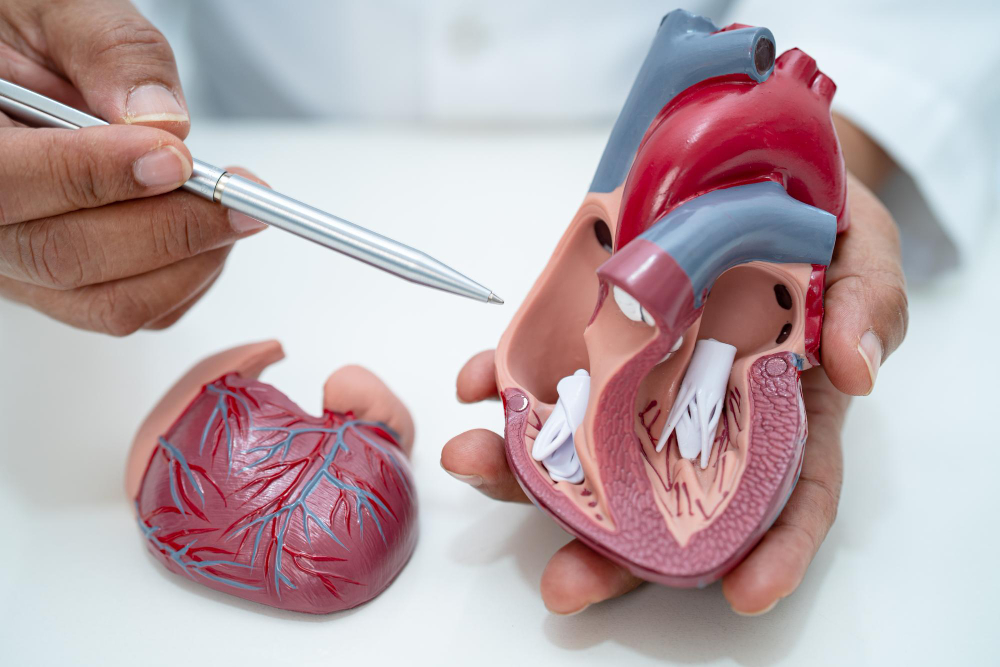
Introduction to Pericarditis
Pericarditis is swelling or irritation of the pericardium, the thin sac around your heart. This condition can cause sharp chest pain and may affect your daily life. Although pericarditis is not always serious, it needs proper care. According to the World Health Organization (WHO), heart-related conditions like pericarditis are important to recognize early. Because early treatment can prevent complications, knowing the signs and causes is helpful.
Symptoms of Pericarditis
Pericarditis symptoms can vary from person to person. However, most people notice chest pain. This pain often feels sharp and may get worse when you breathe in or lie down. On the other hand, sitting up or leaning forward can ease the pain. Other symptoms may include:
Because these symptoms can look like other heart problems, it is important to seek medical help if you notice them.
Causes and Risk Factors
Pericarditis can have many causes. Often, doctors cannot find a clear reason. Still, some common causes include:
In addition, certain risk factors can make pericarditis more likely. These include having a weak immune system, recent chest injury, or a history of heart disease. According to the Centers for Disease Control and Prevention (CDC), people with these risk factors should be extra careful.
Diagnosis Methods
Doctors use several methods to diagnose pericarditis. First, they will ask about your symptoms and medical history. Then, they may perform a physical exam. During this exam, your doctor may listen for a special sound called a “pericardial rub” with a stethoscope. This sound can suggest pericarditis.
To confirm the diagnosis, doctors may order tests such as:
Because other heart problems can look similar, these tests help doctors choose the right treatment. If you wonder “how is pericarditis diagnosed,” these steps are key.
Treatment Options
Pericarditis treatment options depend on the cause and severity. Most cases are mild and get better with rest and medicine. However, some people may need more advanced care. Here are common treatments:
In rare cases, pericarditis can cause fluid to build up around the heart. When this happens, doctors may need to drain the fluid with a procedure called pericardiocentesis. Sometimes, surgery is needed if the pericardium becomes thick or stiff. Cardiology care for pericarditis may involve both non-interventional and interventional approaches, depending on your needs.
Lifestyle Tips and Prevention
While you cannot always prevent pericarditis, some steps can lower your risk. For example, you can:
Additionally, staying up to date with vaccines can help prevent some infections that may lead to pericarditis.
When to See a Doctor
If you have chest pain that does not go away, seek medical help right away. Also, if you notice shortness of breath, fever, or swelling, call your doctor. Early care can prevent serious problems. Even if your symptoms seem mild, it is better to be safe. For any concerns about pericarditis, a cardiologist can give you the best advice.
In summary, pericarditis is a treatable condition when caught early. Consult a cardiologist for personalized advice on pericarditis.