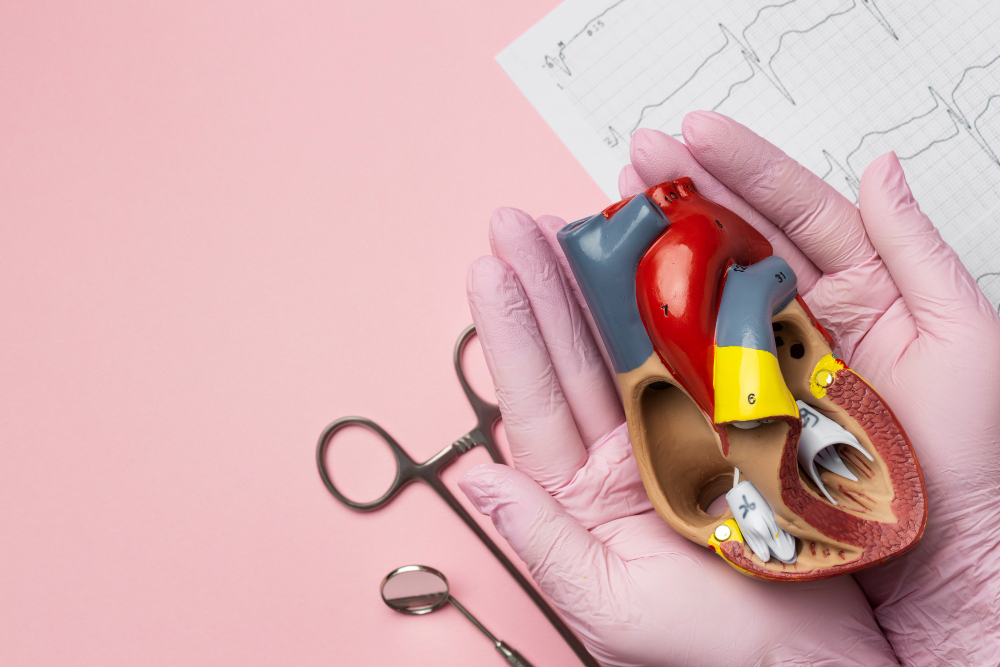
Heart valve replacement is a surgery to fix or replace a damaged heart valve. This treatment can help people with serious heart valve disease. For many, it can improve quality of life and prevent life-threatening problems. In this guide, you will learn who needs valve replacement, what heart valve disease is, and how doctors decide on the best treatment.
What Are Heart Valves?
Heart valves are small flaps inside your heart. They open and close to keep blood flowing in the right direction. There are four main valves in the heart:
Each valve plays a key role in moving blood through the heart and to the rest of the body. When these valves do not work well, your heart has to work harder.
What Is Heart Valve Disease?
Heart valve disease happens when one or more valves do not open or close properly. As a result, blood flow can slow down or even go backward. There are two main types of valve problems:
Over time, these problems can cause symptoms and lead to heart failure if not treated. According to the American Heart Association, valve disease is more common as people age.
Who Needs Valve Replacement?
Not everyone with valve disease needs surgery. However, some people do need valve replacement to stay healthy. You may need valve replacement if:
Common symptoms of valve disease include:
For some, symptoms may be mild at first. But over time, they can get worse. If you notice these signs, it is important to see a doctor. Early treatment can prevent serious problems.
How Is the Need for Valve Replacement Diagnosed?
Doctors use several tests to check your heart valves. First, they will listen to your heart with a stethoscope. Next, they may order tests such as:
Based on these results, your doctor will decide if valve replacement is needed. Sometimes, they may refer you to a heart specialist, called a cardiologist, for further care.
Treatment Options for Valve Disease
Treatment for heart valve problems depends on how severe the disease is. Options include:
Your doctor will help you choose the best treatment based on your age, health, and type of valve problem.
Lifestyle Tips for Heart Health After Valve Replacement
After valve replacement, it is important to take care of your heart. Here are some tips:
With these steps, you can help your new valve last longer and feel your best.
Prevention and Early Detection
While not all valve disease can be prevented, you can lower your risk by:
Early detection is key. If you notice symptoms like shortness of breath or chest pain, see a doctor right away. The sooner valve disease is found, the better your chances for a healthy outcome.
Conclusion
Heart valve replacement can save lives and improve health for many people. If you have symptoms of heart valve disease, consult a cardiologist for personalized advice. Early care can make a big difference.
Sources: American Heart Association, Centers for Disease Control and Prevention (CDC), World Health Organization (WHO)