
What is Atrial Fibrillation?
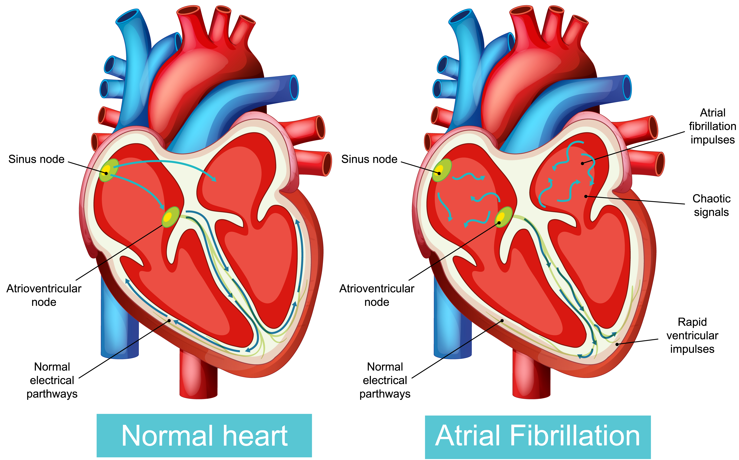
Atrial fibrillation, often called AFib, is a common heart rhythm problem. In this condition, the heart beats in an irregular and often rapid way. Because of this, blood may not flow as well as it should. As a result, people with atrial fibrillation have a higher risk of stroke and heart failure. According to the CDC, millions of people worldwide live with AFib. Early detection and treatment for atrial fibrillation can help prevent serious problems.
Common Symptoms
Many people with AFib notice symptoms, but some do not feel anything at all. However, knowing the signs can help you seek care sooner. Common AFib symptoms include:
Sometimes, symptoms come and go. But even if they stop, AFib can still be harmful. Therefore, it is important to talk to your doctor if you notice any of these signs.
Causes and Risk Factors
There are several causes and risk factors for atrial fibrillation. Some people develop AFib due to changes in the heart’s structure. Others may have certain health problems that increase their risk. Common causes and risk factors include:
In addition, stress or certain infections can trigger AFib. While some risk factors cannot be changed, many can be managed with healthy habits.
How Atrial Fibrillation is Diagnosed
Doctors use several tests to diagnose atrial fibrillation. First, your doctor will ask about your symptoms and health history. Next, a physical exam will be done. To confirm AFib, doctors may use:
Because AFib can be hard to spot, these tests help your doctor make the right diagnosis.
Treatment Options
Treatment for atrial fibrillation depends on your symptoms, age, and health. The main goals are to control your heart rate, restore a normal rhythm, and prevent blood clots. Common treatments include:
Because each person is different, your doctor will help choose the best treatment for you.
Lifestyle Tips and Prevention
Healthy habits can lower your risk of atrial fibrillation and help manage symptoms. Here are some tips to prevent AFib or reduce its impact:
By making these changes, you can help prevent atrial fibrillation or keep it from getting worse.
When to See a Doctor
If you notice signs of AFib, do not wait to seek help. You should see a doctor if you have:
Sometimes, AFib can lead to serious problems like stroke. Therefore, early diagnosis and treatment are important. If you have any concerns about your heart, make an appointment with your doctor right away.
Consult a cardiologist for personalized advice on atrial fibrillation.