
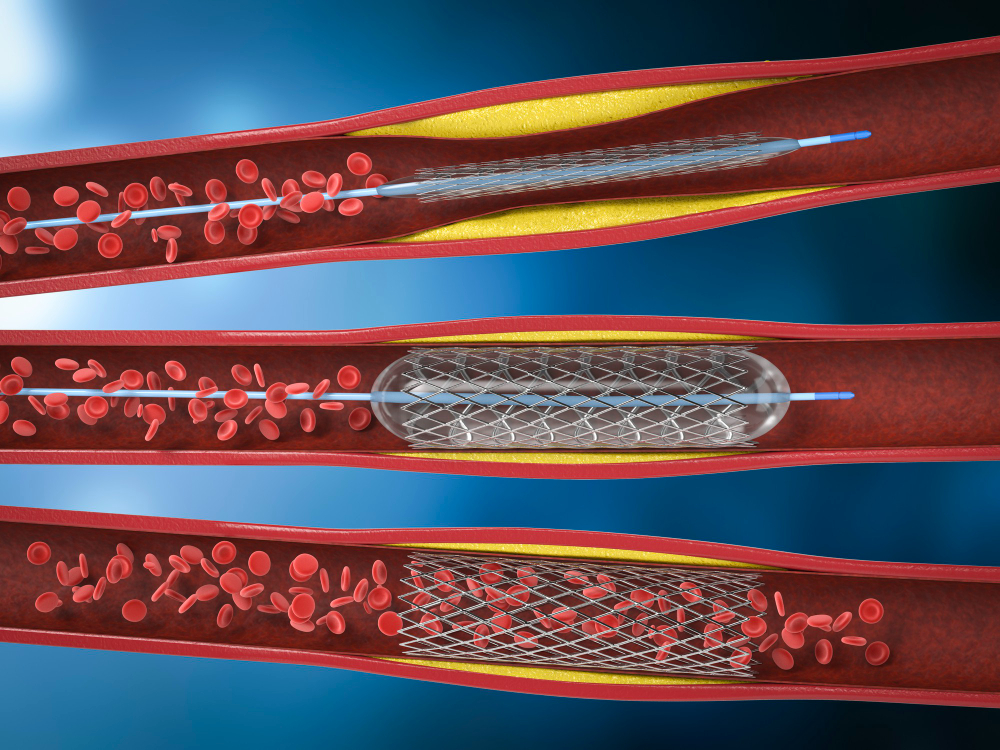
What is Balloon Angioplasty?
Balloon angioplasty for narrowed arteries is a common treatment for blocked or tight blood vessels. Doctors use this procedure to help blood flow better through your arteries. In many cases, this treatment can lower chest pain and reduce the risk of heart attack. People in the United States and around the world benefit from this safe and effective option.
Symptoms and Causes of Narrowed Arteries
Narrowed arteries can cause many symptoms. For example, you may feel chest pain, shortness of breath, or tiredness. Sometimes, you might notice pain in your arms or legs. However, some people do not have any symptoms until the problem gets worse.
There are several causes of artery narrowing. Most often, fatty deposits called plaque build up inside the artery walls. This process is known as atherosclerosis. In addition, high blood pressure, smoking, diabetes, and high cholesterol can make the problem worse. Therefore, it is important to know your risk factors.
How Balloon Angioplasty Works
Balloon angioplasty uses a small balloon to open up a blocked or tight artery. First, a doctor guides a thin tube, called a catheter, into the artery. Then, a tiny balloon at the tip of the catheter is gently inflated. As a result, the balloon pushes the plaque against the artery wall. This helps blood flow more easily. Sometimes, a small wire mesh tube called a stent is placed to keep the artery open.
Step-by-Step Procedure
Doctors follow careful steps during the angioplasty procedure. Here is what you can expect:
The whole procedure usually takes one to two hours. However, you may need to stay in the hospital for a short time after.
Benefits of Balloon Angioplasty
Balloon angioplasty for narrowed arteries offers many benefits. For example, it can quickly relieve chest pain and improve your ability to exercise. In addition, it may lower your risk of heart attack. Unlike open surgery, angioplasty is less invasive. Therefore, recovery is often faster and easier.
According to the American Heart Association, angioplasty is a safe and effective treatment for many people with artery narrowing.
Risks and Possible Complications
Although balloon angioplasty is safe, there are some risks. However, serious problems are rare. It is important to know what to watch for after the procedure.
Your doctor will discuss these risks with you before the procedure. In most cases, the benefits outweigh the risks, especially when symptoms are severe.
Recovery and Aftercare Tips
Recovery after angioplasty is usually quick. Most people go home the same day or the next. However, you should follow your doctor’s advice for the best results. Here are some tips for a smooth recovery after angioplasty:
If you notice chest pain, shortness of breath, or unusual bleeding, call your doctor right away. In addition, ask about when you can return to work or exercise.
Prevention and Lifestyle Guidance
After balloon angioplasty for narrowed arteries, it is important to keep your arteries healthy. Therefore, making lifestyle changes can help prevent future problems. For example, you can:
According to the CDC, these steps can lower your risk of artery narrowing and heart disease. In addition, regular check-ups help your doctor monitor your heart health.
In summary, balloon angioplasty for narrowed arteries is a safe and effective way to restore blood flow. However, it is important to follow your doctor’s advice for the best recovery. Consult a cardiologist for personalized advice about balloon angioplasty for narrowed arteries.