
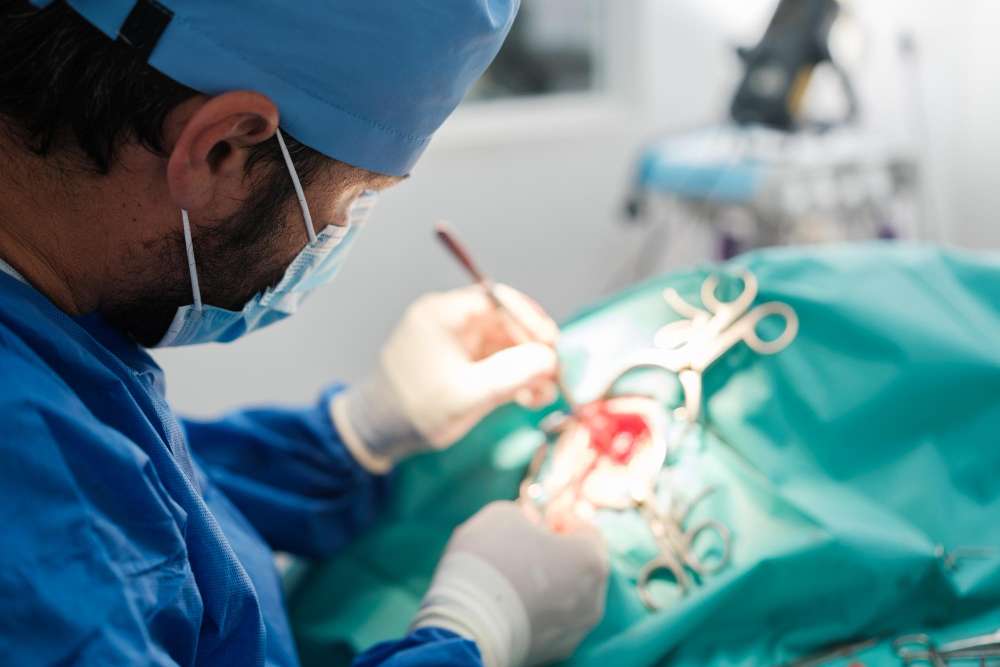
What is Coronary Artery Bypass Grafting (CABG)?
Coronary Artery Bypass Grafting (CABG) is a type of heart bypass surgery. Doctors use it to treat blocked or narrowed heart arteries. In this procedure, a healthy blood vessel is taken from another part of your body. Then, it is attached to your heart to create a new path for blood flow. As a result, your heart gets the oxygen it needs. CABG is one of the most common heart surgeries in the United States.
Why is CABG Needed?
Sometimes, fatty deposits called plaque build up in the arteries of your heart. This can block blood flow and cause chest pain or even a heart attack. When medicines or other treatments do not help, doctors may suggest CABG. Often, CABG is needed if:
According to the American Heart Association, CABG can improve survival in some people with heart disease.
Symptoms Leading to CABG Consideration
Many people experience symptoms before needing heart bypass surgery. For example, you may notice:
If you have these symptoms, it is important to see a doctor. Early care can prevent serious problems.
How is CABG Performed?
First, doctors give you anesthesia so you sleep during the surgery. Next, they take a healthy blood vessel from your leg, arm, or chest. Then, they attach one end of this vessel to your heart, past the blocked area. The other end is connected to a main artery. This new path lets blood flow around the blockage. Usually, the surgery takes three to six hours. Afterward, you go to a special care unit to recover.
Benefits of CABG
Coronary Artery Bypass Grafting offers many benefits. For instance, it can:
Many people feel better and can return to normal activities after recovery.
Risks and Possible Complications
Like all surgeries, CABG has some risks. However, most people do well. Possible risks include:
Doctors take steps to lower these risks. Still, it is important to talk about them before surgery. The Centers for Disease Control and Prevention (CDC) offers more details on heart surgery risks.
Recovery Process and Aftercare
After CABG, you will stay in the hospital for about five to seven days. During this time, nurses and doctors watch your heart closely. Once you go home, you will need to rest and avoid heavy lifting. Most people return to normal activities in six to twelve weeks. To help your recovery, follow your doctor’s advice and take all medicines as prescribed. Cardiac rehab programs can also speed up healing and improve your heart health.
Lifestyle Tips After CABG
After heart bypass surgery, healthy habits are very important. For example, you can:
These steps can help you recover and prevent future heart problems.
Prevention of Further Heart Disease
Even after CABG, it is important to protect your heart. Therefore, you should:
With these steps, you can lower your risk of more heart disease.
Conclusion
Coronary Artery Bypass Grafting is a safe and effective way to treat blocked heart arteries. While there are some risks, the benefits often outweigh them. After surgery, healthy habits and regular care are key to a strong recovery. For personalized advice about coronary artery bypass grafting, consult a cardiologist.