Introduction to CT Coronary Angiography
CT Coronary Angiography is a non-invasive heart imaging test. Doctors use it to check for blocked or narrowed heart arteries. This test helps diagnose coronary artery disease. Many people call it a CT heart scan. It uses a special X-ray machine and a computer to create detailed pictures of your heart and blood vessels. According to the American Heart Association, this test is safe and widely used.
When is CT Coronary Angiography Recommended?
Doctors may suggest CT Coronary Angiography for several reasons. For example, you may have chest pain or shortness of breath. Sometimes, your doctor wants to check your risk for heart disease. In other cases, you may need this test if other heart tests are unclear. Usually, it helps in the diagnosis of coronary artery disease.
How the Procedure Works
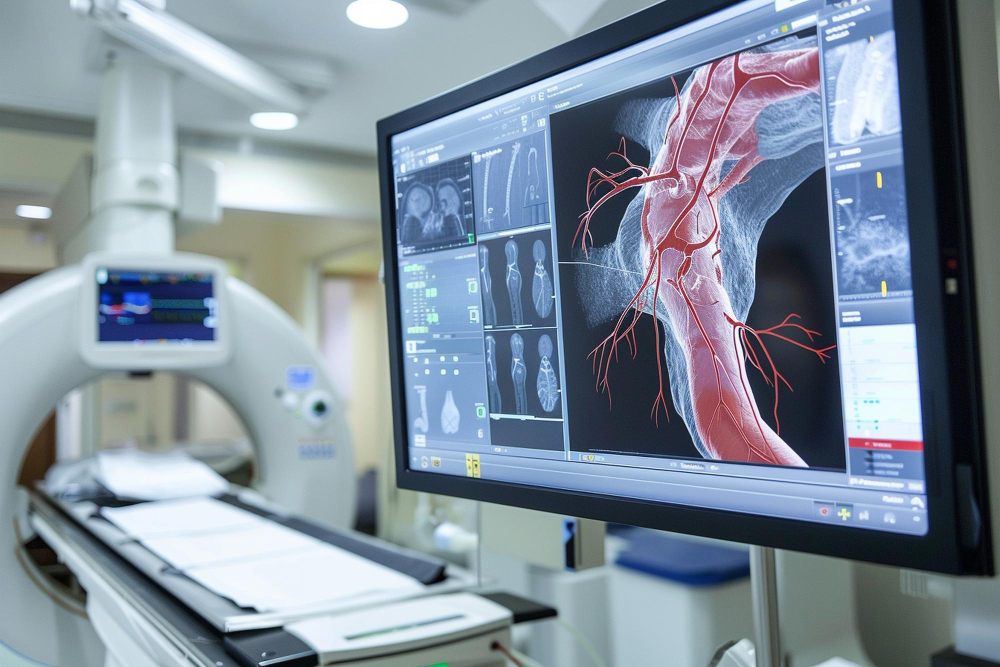
During a CT Coronary Angiography, you lie on a table. The table slides into a large, doughnut-shaped scanner. Next, a nurse may give you a contrast dye through a vein in your arm. This dye helps highlight your heart arteries. The scanner takes many X-ray pictures in just a few seconds. After that, a computer combines these images to show detailed views of your heart. The entire CT heart scan procedure usually takes less than 30 minutes.
Preparation and What to Expect
Before your CT Coronary Angiography, your doctor will give you instructions. Often, you should not eat or drink for a few hours before the test. Sometimes, you may need to avoid caffeine or certain medicines. On the day of the scan, wear comfortable clothes. You may need to remove jewelry or metal objects. When you arrive, a nurse will check your heart rate and blood pressure. If your heart rate is high, you may get medicine to slow it down. This helps create clearer images. During the scan, you will need to lie still and hold your breath for a few seconds at a time. The test is painless, but you might feel a warm sensation from the dye.
Benefits of CT Coronary Angiography
CT Coronary Angiography offers many benefits. First, it is non-invasive, so there are no cuts or stitches. Second, it gives fast and accurate results. Third, it helps doctors find heart problems early. In addition, it can rule out serious heart disease without surgery. According to the CDC, early detection can save lives.
Risks and Limitations
Although CT Coronary Angiography is safe, it does have some risks. For instance, you are exposed to a small amount of radiation. Some people may have an allergic reaction to the contrast dye. Rarely, the dye can affect kidney function, especially in people with kidney problems. Also, this test may not be suitable for everyone. For example, people with irregular heartbeats or severe obesity may not get clear results. Always talk to your doctor about your risks.
Aftercare and Results
After the CT Coronary Angiography, you can usually go home right away. Most people feel fine after the test. However, drink plenty of water to help flush the dye from your body. Your doctor will review the images and explain the results. Sometimes, you may need more tests or treatment based on the findings. If you feel unwell or have side effects, contact your doctor.
Frequently Asked Questions
In summary, CT Coronary Angiography is a safe and effective way to check your heart health. It helps doctors find problems early and plan the best care for you. Consult a cardiologist for personalized advice about CT Coronary Angiography.