
Introduction
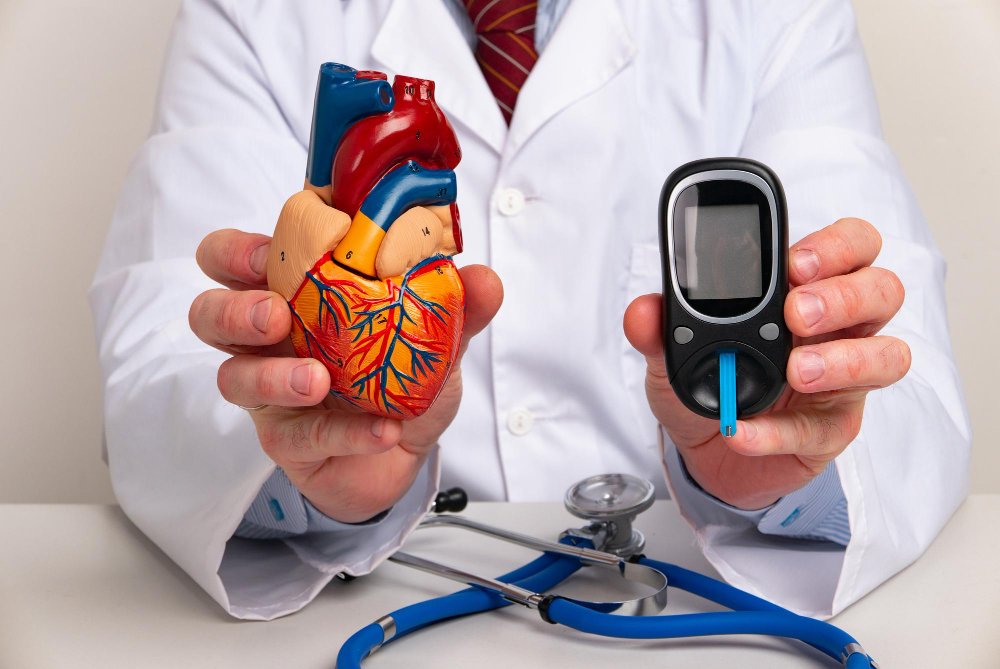
Many people know that diabetes affects blood sugar. However, not everyone realizes how closely heart health in diabetes patients is linked. If you have diabetes, your risk for heart disease is higher. Because of this, it is important to understand the connection. In this blog, you will learn about risks, warning signs, and ways to protect your heart. Staying informed can help you live a healthier life.
Why Heart Health Matters for Diabetes Patients
Diabetes can damage blood vessels and nerves that control your heart. Over time, high blood sugar makes your arteries hard and narrow. As a result, your heart has to work harder. This can lead to heart disease, which is the leading cause of death for people with diabetes. According to the CDC, adults with diabetes are twice as likely to have heart disease or a stroke as those without diabetes. Therefore, caring for your heart is a key part of diabetes management.
Common Heart-Related Risks in Diabetes
People with diabetes face several heart-related risks. Some of the most common include:
Because these risks are common, regular check-ups are important.
Warning Signs to Watch For
Sometimes, heart problems do not cause clear symptoms. Still, you should watch for warning signs. Early action can save lives. Look out for:
If you notice any of these, contact your doctor right away. Sometimes, symptoms can be mild or mistaken for other problems. Therefore, it is better to be safe and get checked.
Diagnosis and Monitoring
Doctors use several tests to check heart health in diabetes patients. For example, they may check your blood pressure, cholesterol, and blood sugar. In addition, you might need an electrocardiogram (ECG) or an echocardiogram. These tests show how well your heart is working. Regular monitoring helps spot problems early. Because diabetes can hide symptoms, routine check-ups are essential. Your doctor may also suggest blood tests to check for inflammation or other heart risks.
Prevention and Lifestyle Tips
Although diabetes raises your heart risk, you can take steps to protect yourself. Here are some tips:
Because small changes add up, start with one or two tips and build from there. The American Heart Association and CDC both recommend these steps for better heart health.
Treatment Options
If you have heart problems, your doctor will suggest a treatment plan. This may include:
In addition, lifestyle changes remain important. Because every patient is different, your doctor will tailor your treatment to your needs.
When to Seek Medical Help
Sometimes, heart problems need urgent care. Call your doctor or emergency services if you have:
Because quick action can save your life, do not wait if you notice these symptoms.
Conclusion
In summary, heart health in diabetes patients is very important. Although risks are higher, you can lower them with healthy habits and regular check-ups. If you have diabetes, talk to your healthcare provider about your heart health. For personalized advice and care, consult your doctor today.