What is Sick Sinus Syndrome?
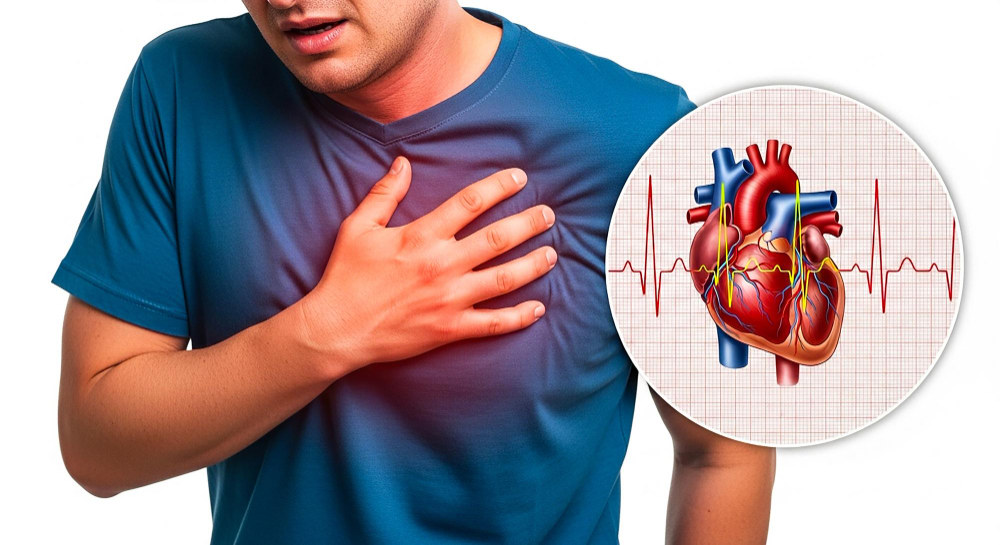
Sick Sinus Syndrome is a heart rhythm disorder. It happens when the heart’s natural pacemaker, called the sinus node, does not work well. Because of this, the heart may beat too slowly, too fast, or in an uneven way. Doctors also call this problem sinus node dysfunction. Although it can affect anyone, it is more common in older adults. Early diagnosis and treatment can help manage symptoms and improve quality of life.
Common Symptoms
Symptoms of Sick Sinus Syndrome can vary. Sometimes, people do not notice any signs at first. However, as the condition gets worse, symptoms may appear. For example, you might feel:
Sometimes, symptoms come and go. But if you notice these signs, it is important to talk to a doctor.
Causes and Risk Factors
The main cause of Sick Sinus Syndrome is damage to the sinus node. This damage can slow down or block the electrical signals that control your heartbeat. As a result, your heart may not beat as it should. Several factors can increase your risk, such as:
In rare cases, children can have this condition from birth. But for most people, it develops over time.
How Sick Sinus Syndrome is Diagnosed
Doctors use several tests to diagnose Sick Sinus Syndrome. First, they will ask about your symptoms and medical history. Next, they may perform a physical exam. To check your heart’s rhythm, your doctor might order:
Because symptoms can come and go, these tests help find the problem even if it is not always present. According to the American Heart Association, early diagnosis is key for better outcomes.
Treatment Options
Treatment for Sick Sinus Syndrome depends on your symptoms and how severe they are. In mild cases, you may not need treatment right away. However, if symptoms affect your daily life, your doctor may suggest:
Most people with a pacemaker can return to normal activities. In some cases, your doctor may refer you to a cardiology specialist for further care.
Lifestyle Tips and Prevention
While you cannot always prevent Sick Sinus Syndrome, healthy habits can help your heart. For example, you can:
Although these steps may not cure the condition, they can support your overall heart health.
When to See a Doctor
If you notice symptoms like fainting, dizziness, or chest pain, you should see a doctor right away. Even if symptoms are mild, it is wise to get checked. Early treatment can prevent complications. For ongoing care, follow your doctor’s advice and keep all appointments.
If you notice symptoms of Sick Sinus Syndrome, consult a cardiologist for personalized advice.