What is Cardiac Arrest?
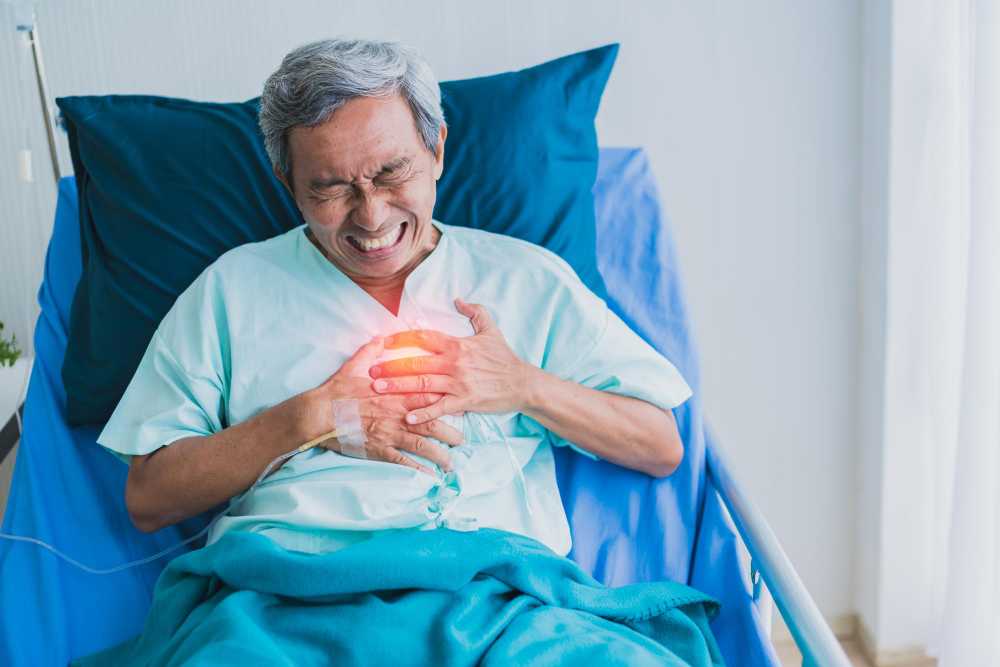
Cardiac arrest is a serious medical emergency. It happens when the heart suddenly stops beating. As a result, blood cannot flow to the brain and other organs. Without quick help, cardiac arrest can lead to death within minutes. According to the World Health Organization (WHO), cardiac arrest is a leading cause of sudden death worldwide. Because it can happen without warning, knowing the signs and what to do is important.
Symptoms of Cardiac Arrest
Recognizing cardiac arrest symptoms early can save lives. Often, symptoms appear suddenly. However, sometimes there are warning signs before it happens. Common symptoms include:
Sometimes, people may feel very tired or weak before cardiac arrest. But in many cases, there are no warning signs at all. Therefore, it is important to act fast if you notice these symptoms.
Causes and Risk Factors
Many things can cause cardiac arrest. Most often, it is due to a problem with the heart’s electrical system. This can make the heart beat too fast, too slow, or in an irregular way. Some common causes and risk factors include:
Additionally, certain risk factors increase the chance of cardiac arrest. These include older age, smoking, high blood pressure, diabetes, obesity, and a family history of heart disease. Because some risk factors can be managed, healthy lifestyle choices are important.
Diagnosis of Cardiac Arrest
Doctors diagnose cardiac arrest based on symptoms and a physical exam. If someone is unresponsive and not breathing, cardiac arrest is likely. In the hospital, doctors may use tests such as:
After emergency treatment, doctors try to find the cause. This helps guide further care and prevention. Early diagnosis and treatment are key to survival.
Treatment Options
Immediate treatment is critical for cardiac arrest. Every second counts. The main steps in emergency response for cardiac arrest include:
CPR helps keep blood flowing to the brain and organs. An AED can restore a normal heart rhythm. In the hospital, doctors may use medicines, advanced airway support, or procedures to treat the cause. Sometimes, a device called an implantable cardioverter-defibrillator (ICD) is placed to prevent future episodes.
Prevention Tips and Lifestyle Guidance
Although not all cases can be prevented, you can lower your risk. Here are some tips on how to prevent cardiac arrest:
In addition, learn CPR and how to use an AED. This knowledge can help save a life in an emergency. According to the CDC, early CPR doubles or triples the chance of survival.
When to Seek Emergency Help
If you or someone you know has symptoms of cardiac arrest, act fast. Call emergency services right away. Do not wait for symptoms to go away. Even if you are not sure, it is better to get help quickly. Fast action can make the difference between life and death.
If you or someone you know experiences symptoms of cardiac arrest, seek emergency medical help immediately or consult a cardiologist for personalized advice.